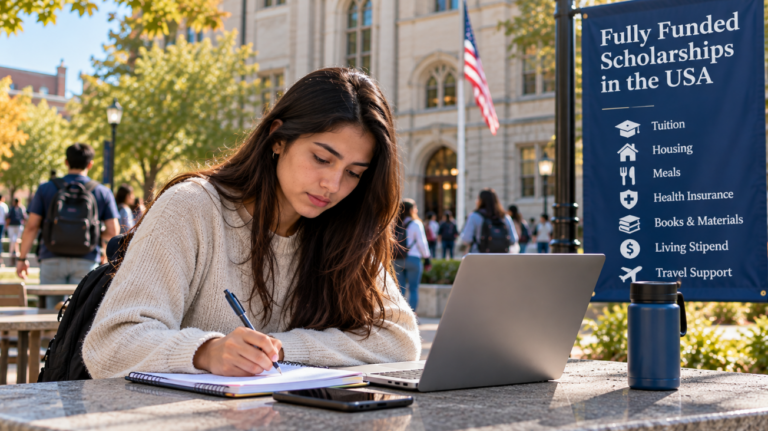
For many young people in the United States, going to college is a dream they have carried since childhood. They study hard, participate in school activities, graduate from high school, and begin thinking about their future.
But for undocumented students, the path to higher education can involve challenges that other applicants may never have to consider.
Questions about financial aid, residency requirements, scholarships, tuition costs, and immigration status can make the college application process confusing. Some students are unsure whether they can attend university at all, while others assume that no financial assistance is available to them.
The reality is more complicated, but there are opportunities worth exploring.
Undocumented students may qualify for certain private scholarships, institutional awards, state-funded programs, and other forms of educational support. Eligibility depends on several factors, including the state where the student lives, the college they plan to attend, their academic background, and the rules established by each scholarship provider.
If you or someone you know is planning to attend college in the United States in 2027, this guide explains the available options and how to begin looking for financial support.
First, Understand What Being an Undocumented Student Means for College
The term undocumented student generally refers to someone living in the United States without a current immigration status that authorizes their presence.
Students in this situation may have different personal and immigration circumstances. Some arrived in the country as children, while others have lived in the United States for many years and completed most or all of their education there.
Some students may also have Deferred Action for Childhood Arrivals (DACA), while others do not.
These differences matter because immigration classifications can affect eligibility for particular financial aid programs.
However, being undocumented does not automatically mean that a student cannot attend college or receive any form of scholarship assistance.
Many educational institutions and private organizations have created opportunities to help students overcome financial barriers.
The first step is to understand which programs are available under the rules that apply to your situation.
Can Undocumented Students Go to College in the USA?
In many cases, yes.
There is no single nationwide rule that prevents all undocumented students from enrolling in college. Admission policies and tuition rules vary by state and institution.
Some public universities admit undocumented applicants under the same general academic admission standards used for other students. Others have additional requirements or restrictions.
Private colleges may establish their own admission and financial aid policies.
Before applying, students should investigate three separate questions:
- Does the college accept applications from undocumented students?
- What tuition rate would the student be required to pay?
- Are institutional scholarships or other financial assistance available?
These questions are important because admission eligibility does not automatically guarantee access to financial aid or in-state tuition.
A student may be academically eligible for admission but still face financial or residency-related restrictions.
The Difference Between Federal Financial Aid and Private Scholarships
One of the most confusing parts of the process is understanding which types of financial assistance are available.
In general, undocumented students, including many individuals with DACA, are not eligible for federal student financial aid reserved for U.S. citizens and eligible noncitizens.
This can include certain federal grants, federal student loans, and work-study programs.
However, federal restrictions do not mean that every scholarship or financial assistance program is unavailable.
Private organizations, individual universities, community foundations, and some state programs may establish their own eligibility criteria.
Here is a simple comparison:
| Financial assistance | Possible availability |
|---|---|
| Federal Pell Grants | Generally unavailable to undocumented students |
| Federal student loans | Generally unavailable |
| University-funded scholarships | May be available |
| Private foundation scholarships | May be available |
| State financial aid | Depends on state law and program rules |
| Community organization scholarships | May be available |
| Private college grants | Depends on institutional policy |
Always review the current requirements. A scholarship that accepts undocumented students may still have restrictions related to residency, academic performance, financial need, or the student’s intended degree.
Where Can Undocumented Students Find Scholarships?
Finding the right scholarship requires research, but there are several places where students can begin.
1. University Financial Aid Offices
One of the best starting points is the college itself.
Some universities offer institutional scholarships and grants to students who are not eligible for federal financial aid.
These programs may be funded directly by the institution or supported by private donations and university foundations.
When researching a college, look for information about:
- Scholarships for undocumented students.
- Institutional grants.
- Financial assistance for DACA recipients.
- Private funding opportunities.
- Tuition assistance programs.
- Support for first-generation college students.
If the information is unclear, contact the financial aid office and ask whether undocumented applicants can be considered for university-funded assistance.
Do not assume that every scholarship listed on a university website is available to all applicants.
2. Private Foundations and Nonprofit Organizations
Some nonprofit organizations and private foundations support students who face financial or social barriers to higher education.
Their scholarship programs may focus on academic achievement, financial need, community involvement, leadership, or personal circumstances.
Certain organizations specifically support undocumented students, while others use broader eligibility criteria that may include them.
Before applying, verify whether the organization accepts applicants regardless of immigration status.
3. State-Based Scholarship Programs
Some states have established financial aid opportunities for undocumented students who meet specific residency and educational requirements.
These policies differ considerably.
In certain states, qualifying students may be eligible for state-funded financial assistance or tuition benefits. In others, access may be more limited.
Because state rules can change, students should investigate the current policies where they live and where they intend to attend college.
4. Community and Local Scholarships
Sometimes valuable opportunities are available closer to home.
Local foundations, nonprofit groups, community organizations, employers, cultural associations, and private donors may provide scholarships to students attending college.
These awards may be less widely advertised than national programs.
High school counselors, community college advisors, nonprofit organizations, and local education groups can be useful sources of information.
Scholarship Organizations Worth Researching
The following organizations and programs are useful starting points for students investigating financial assistance. Their eligibility requirements are not identical, and availability should always be confirmed for the 2027 application cycle.
TheDream.US
TheDream.US is known for supporting college access for eligible immigrant students, including certain undocumented students. Its scholarship opportunities have specific eligibility conditions, participating-college requirements, and application rules.
Students should carefully review the program’s current requirements before applying.
Golden Door Scholars
Golden Door Scholars has supported undocumented students pursuing higher education and career opportunities. Its programs may have specific eligibility criteria and application periods.
Applicants should check whether a particular scholarship cycle is open and whether their intended college or academic path qualifies.
Immigrants Rising
Immigrants Rising provides educational resources and information about opportunities for undocumented students. It can be a useful starting point when researching scholarships, college access, and career pathways.
MALDEF Scholarship Resource Guide
The Mexican American Legal Defense and Educational Fund (MALDEF) has published scholarship information for students, including opportunities that may be relevant to immigrant and undocumented applicants.
Students should review the eligibility rules of each individual award rather than assuming that all listed scholarships have identical requirements.
Local nonprofit and community foundations
Many regional organizations offer scholarships for students who demonstrate academic commitment, financial need, leadership, or community involvement.
Some opportunities may be specifically designed for immigrant families or first-generation college students.
The important point is to examine each scholarship individually. An organization that supports undocumented students in one program may have different requirements for another.
Can DACA Recipients Apply for Scholarships?
DACA recipients may qualify for certain private scholarships, university-funded awards, and state programs, depending on the rules of each institution or organization.
However, having DACA does not automatically make someone eligible for federal student financial aid.
It is also important to understand that DACA and lawful permanent residency are not the same immigration classification.
A scholarship application may ask about citizenship, residency, immigration status, or eligibility to work. Students should answer accurately and avoid assuming that DACA satisfies every requirement.
If a question is unclear, contact the scholarship provider before submitting the application.
What States Offer Opportunities for Undocumented Students?
State policies can make a significant difference in the cost of college.
Some states have adopted laws or policies that allow qualifying undocumented students to receive in-state tuition or access certain state financial aid programs.
However, the requirements are not uniform.
A state may require students to have attended high school within its borders, graduated from a local school, completed a certain number of years of education, or submitted an affidavit related to future immigration status.
Other states may have different rules or may not provide the same benefits.
For this reason, students should research the state where they currently live and the state where they plan to attend college.
Do not rely on an old article or a social media post to make an important financial decision. Tuition and financial aid policies can change.
What Documents Might Be Needed?
The documentation required for a scholarship depends on the organization.
Some programs evaluate academic performance and personal achievements, while others also request information about financial circumstances or residency.
Common application materials may include:
- High school or college transcripts.
- Graduation certificate or diploma.
- Personal statement or scholarship essay.
- Letters of recommendation.
- Resume or list of extracurricular activities.
- Proof of community involvement.
- Financial information, when required.
- Residency documentation, if applicable.
Some scholarship providers may request additional information about immigration or eligibility status.
Students should submit only the documents requested through the official application process and should not provide sensitive personal information to unverified organizations.
If you are uncertain about the safety or purpose of a document request, seek clarification from the scholarship provider or a qualified legal professional.
How to Write a Strong Scholarship Application
For undocumented students, a scholarship application can be an opportunity to explain academic goals, personal achievements, and the importance of higher education.
You do not have to share every detail of your personal life to write a meaningful essay.
Instead, focus on the experiences that demonstrate your determination, abilities, and future plans.
Consider discussing:
Your educational journey: Explain how you became interested in your chosen field and what motivates you to continue studying.
Your achievements: Describe academic accomplishments, volunteer work, leadership roles, employment, or activities that demonstrate responsibility.
Your goals: Explain what you hope to achieve through higher education and how your chosen degree connects to your future career.
Your community: If you have participated in activities that support your school or neighborhood, explain what you learned and how you contributed.
The impact of financial assistance: Describe how receiving the scholarship would help you continue your education.
A personal and honest essay is usually more effective than a generic statement filled with phrases that could describe almost any applicant.
A Sample Scholarship Essay Approach
Imagine a student who has spent years helping younger children with their homework while attending high school.
Rather than simply writing, “I want to help my community,” the student could explain how tutoring younger students developed an interest in education and encouraged them to pursue a teaching career.
The essay could describe a specific experience, the challenges involved, and the student’s plans for the future.
This approach gives the scholarship committee a clearer picture of the applicant.
Your story does not need to be extraordinary. What matters is explaining what you have learned, what you want to accomplish, and why the opportunity is meaningful to you.
Choosing a College That Fits Your Financial Situation
For undocumented students, selecting a college should involve more than comparing academic programs.
The total cost and available financial assistance can determine whether attending a particular institution is realistic.
Before making a decision, compare:
- Tuition and mandatory fees.
- Whether in-state tuition is available.
- Housing and meal expenses.
- University-funded scholarships.
- Private scholarship opportunities.
- Transportation and personal costs.
- Whether financial assistance can be renewed.
- Academic conditions for maintaining a scholarship.
Community colleges may also be worth considering.
They can provide a more affordable starting point for students who want to complete general education courses before transferring to a four-year university.
However, students should investigate transfer policies, scholarship availability, and residency requirements before choosing this route.
A lower tuition price does not automatically mean that a college will provide the best overall financial option.
Important Things to Consider Before Applying
Scholarship opportunities can be valuable, but students should protect themselves during the application process.
Be careful with organizations that promise guaranteed scholarships in exchange for large payments.
A legitimate scholarship provider should explain its eligibility requirements, application process, award conditions, and deadlines.
You should also:
- Verify that the scholarship organization is legitimate.
- Read the full eligibility rules.
- Confirm whether undocumented applicants are accepted.
- Avoid providing sensitive information through suspicious websites.
- Keep copies of submitted applications.
- Check your email regularly.
- Ask questions before signing agreements or accepting an award.
For questions involving immigration status, work authorization, or legal eligibility, consult a qualified immigration attorney or accredited legal representative. Scholarship organizations and university admissions offices cannot replace individualized legal advice.
Frequently Asked Questions
Can undocumented students receive scholarships in the USA?
Yes, some undocumented students may qualify for private scholarships, university-funded awards, nonprofit programs, and certain state financial assistance opportunities. Eligibility depends on the rules of each program.
Can undocumented students receive Pell Grants?
Generally, undocumented students are not eligible for federal Pell Grants because these awards are reserved for U.S. citizens and eligible noncitizens under federal financial aid rules.
Can DACA recipients receive college scholarships?
Yes. DACA recipients may qualify for certain private scholarships, institutional awards, and state programs. However, DACA does not automatically provide eligibility for federal student financial aid.
Do undocumented students have to pay international tuition?
Not necessarily. Tuition classification depends on state law and university policy. Some students may qualify for in-state tuition under specific conditions, while others may be charged a different rate.
Can undocumented students attend public universities?
In many states, undocumented students can apply to public colleges and universities. Admission, tuition classification, and financial aid eligibility depend on local rules and institutional policies.
Are there scholarships specifically for undocumented students?
Yes. Some organizations and private programs have been created to support undocumented students. However, their application periods, participating colleges, and eligibility requirements may change.
Can undocumented students apply for scholarships without revealing their immigration status?
This depends on the application. Some private scholarships do not ask about immigration status, while others have specific eligibility requirements. Applicants should answer all questions honestly and seek clarification if necessary.
Can undocumented students study in another state?
Potentially, yes. However, tuition rates, residency rules, admission requirements, and scholarship eligibility may differ from one state to another. Research the policies before making plans.
Final Thoughts: Your Educational Goals Still Matter
For undocumented students, finding a way to pay for college can require additional research, patience, and careful planning.
The process may not be simple, and not every scholarship will be available. But it is important not to assume that financial assistance is completely out of reach.
Private foundations, universities, nonprofit organizations, community groups, and certain state programs may offer opportunities worth exploring.
Start by identifying colleges that accept applicants in your situation. Then review their financial aid policies, investigate private scholarships, and prepare your academic documents and personal essays.
Most importantly, verify every requirement before applying. A scholarship that looks promising may have restrictions that are not immediately obvious.
Your academic goals, talents, and determination deserve to be taken seriously. With accurate information and a well-organized search, you can make more informed decisions about your future.
Important disclaimer: This article provides general educational information, not legal or immigration advice. Immigration classifications, state tuition policies, financial aid rules, and scholarship eligibility requirements can change. Students should verify current information with the relevant college, scholarship provider, state agency, or qualified immigration professional before making decisions.
About the Author